





The psychology behind why people love casinos
The thrill of chance
At the heart of many casino experiences is the allure of chance—a powerful psychological driver for individuals seeking excitement and engagement. The randomness of winning and losing creates a kind of adrenaline rush, as players are often enthralled by the possibility of winning big. This unpredictability is heightened by the colorful sights and sounds within a casino, which are meticulously designed to stimulate the senses and keep players engaged. For those who enjoy the thrill of gaming, an online casino can offer a convenient way to experience that same rush from the comfort of home. Whenever the dice roll or the cards are revealed, there’s an instant emotional connection that can lead to heightened anticipation and joy. This emotional investment not only enhances the gaming experience but also creates a lasting impression, drawing players back time and again.
This element of chance also taps into the human brain’s reward system. When players win, their brains release dopamine, a neurotransmitter that promotes feelings of pleasure and reinforces the behavior that led to the reward. This biochemical reaction not only drives them to play more but also cultivates a psychological relationship with risk-taking—players may become more adventurous in their gaming choices, hoping to replicate past successes. This cycle of risk and reward can be incredibly compelling, often leading players to chase that next big win while simultaneously risking their stakes. However, this thrill can be a double-edged sword, as it sometimes leads to problematic gambling behaviors, complicating the relationship individuals have with casinos.
Moreover, the concept of ‘near misses’—where players almost win but fall short—intensifies the excitement and encourages further play. This phenomenon is grounded in psychology, as these near victories can lead individuals to misinterpret their chances of winning, fostering an illusion of control. They may feel that with just a bit more effort or luck, they can finally achieve that elusive victory, drawing them deeper into the casino atmosphere. Such psychological tricks not only enhance the overall experience but also serve to increase player retention, as each near miss creates a compelling narrative that players are eager to continue exploring.
The social aspect of gaming
Casinos are not merely places for solitary gaming; they serve as social hubs where individuals gather to enjoy shared experiences. The camaraderie that forms among players creates a unique environment, where people can engage in conversations and celebrate each other’s wins. This social interaction is often heightened during group games, such as poker or blackjack, where players can strategize together, adding a layer of collective thrill to the experience. In many ways, the social bonds formed in casinos enhance the overall enjoyment and attract individuals who may seek out community and companionship that is often lacking in their daily lives.
Furthermore, the atmosphere in casinos encourages a sense of belonging. Many players develop friendships with regulars and even employees, creating a familiar environment that they look forward to returning to. This sense of community can be particularly appealing for individuals who may feel isolated or disconnected in their everyday lives. By congregating in a casino environment, players not only engage with each other but also find a place where they can escape from the stresses of daily life and immerse themselves in a world of excitement. The shared experience of gaming fosters connections that go beyond the tables, leading to lasting friendships and networks.
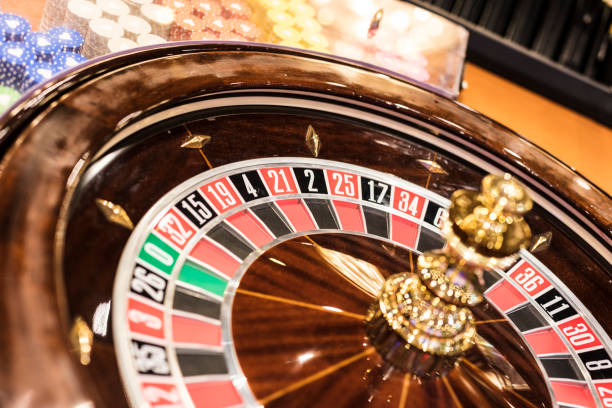
The social dynamics in casinos also extend to events and promotions that foster a communal experience, such as tournaments or themed nights. These gatherings create opportunities for players to meet new people, share strategies, and celebrate wins together, all of which can enhance the overall allure of the casino. The combination of excitement, social interaction, and shared goals makes casinos a vibrant social scene that appeals to a wide range of individuals, from casual players to seasoned gamblers. As a result, the social fabric of a casino becomes an integral part of its identity and charm.
The escape from reality
For many individuals, casinos present a compelling escape from the mundanity of everyday life. The exhilarating environment, complete with bright lights, energetic music, and an air of possibility, can serve as a refuge from personal troubles or societal pressures. This sense of escape is a significant psychological draw, as it allows players to temporarily detach from their responsibilities while immersing themselves in a world of fantasy and excitement. Casinos offer an alluring alternative reality where players can indulge in ambition and dreams of wealth, creating a stark contrast to the routine of daily existence.
Moreover, the immersive experience in a casino can create a sense of timelessness—where it feels as though the outside world no longer exists. Players often lose track of time while engaged in gameplay, reinforcing the idea that they are in a different realm. This ability to forget about life’s challenges and be fully present in the moment can be profoundly therapeutic for many individuals. The escape that a casino offers can be especially appealing to those dealing with stress, anxiety, or other personal difficulties, allowing them to experience exhilaration rather than the burdens of their daily lives.
This environment of fantasy is also cultivated through branding and marketing strategies that evoke a sense of luxury and exclusivity. Casinos often promise dreams of opulence and wealth, appealing to the aspirational nature of individuals. The marketing narratives surrounding casinos are designed to resonate with those looking to escape their current circumstances, painting a picture of a lavish world where fortunes can be won with just a roll of the dice. This narrative, combined with the electric atmosphere, creates an irresistible lure that many find hard to resist, drawing them into a world that feels far removed from their everyday realities.
The role of marketing and design
Casinos leverage psychological principles and strategic design elements to attract and engage customers effectively. The layout of a casino is crafted to encourage exploration, making it easy for players to move from one game to another, fostering a sense of curiosity and adventure. This design is intentional, as it keeps players within the casino longer, increasing their likelihood of gambling more. The placement of slot machines and table games is calculated to maximize visibility and accessibility, creating an inviting atmosphere that captivates visitors and encourages them to explore every corner of the venue.

Additionally, sensory elements play a crucial role in the casino experience. The use of bright, flashy lights, entertaining music, and even the scent of freshly prepared food work together to stimulate the senses. Such elements are often tied to behavioral psychology—certain sounds and sights can trigger a sense of excitement or nostalgia, creating positive associations with the casino environment. The combination of sensory stimulation and strategic design keeps players engaged and often leads them to spend more time and money than they originally planned, as they find themselves drawn into the captivating atmosphere.
Marketing campaigns are another critical aspect of how casinos entice customers, often targeting specific demographics through tailored promotions. These campaigns highlight not just the gambling offerings but also dining, entertainment, and luxury accommodations, creating an all-encompassing entertainment experience. By presenting themselves as a destination rather than a mere gambling venue, casinos appeal to individuals seeking a variety of experiences. This holistic approach to marketing not only attracts a diverse clientele but also enhances the overall perception of casinos as vibrant entertainment hubs.
Discover more about the world of casinos
Understanding the psychology behind why people love casinos reveals much about human behavior and societal trends. It highlights the fascinating interplay between chance, social connection, escapism, and marketing strategies that shape the casino experience. Whether drawn to the thrill of winning, the social aspects of gaming, or the need for an escape, individuals have diverse motivations that lead them to casinos. By examining these motivations, it becomes clear how casinos have cemented their places in popular culture as multifaceted entertainment venues.
Through dedicated platforms, individuals interested in learning more about casino experiences can gain insights into best practices, strategies, and community stories. These resources frequently provide valuable information, including tips for responsible gambling and ways to enhance the gaming experience. As the fascination with casinos grows, these platforms are essential for both novices and experienced players alike, offering a wealth of knowledge that enriches the overall understanding of casino culture and responsible practices within it.
In summary, the intrigue of casinos lies not only in the games themselves but also in the psychology that drives individuals to seek them out. By exploring the various facets of casino life—from sensory experiences and social interactions to the broader cultural implications—one can appreciate the enduring attraction of these lively establishments. Whether you are a casual visitor or a frequent player, the world of casinos offers endless avenues for exploration and enjoyment, creating a unique blend of excitement, community, and escapism that resonates deeply with individuals from all walks of life.